Precision processing guide
Stainless steel capillary tube laser cutting is used when small diameter tubes require clean cut edges, controlled length, repeatable geometry, and reliable fit in precision, analytical, sensor, and micro assembly applications.
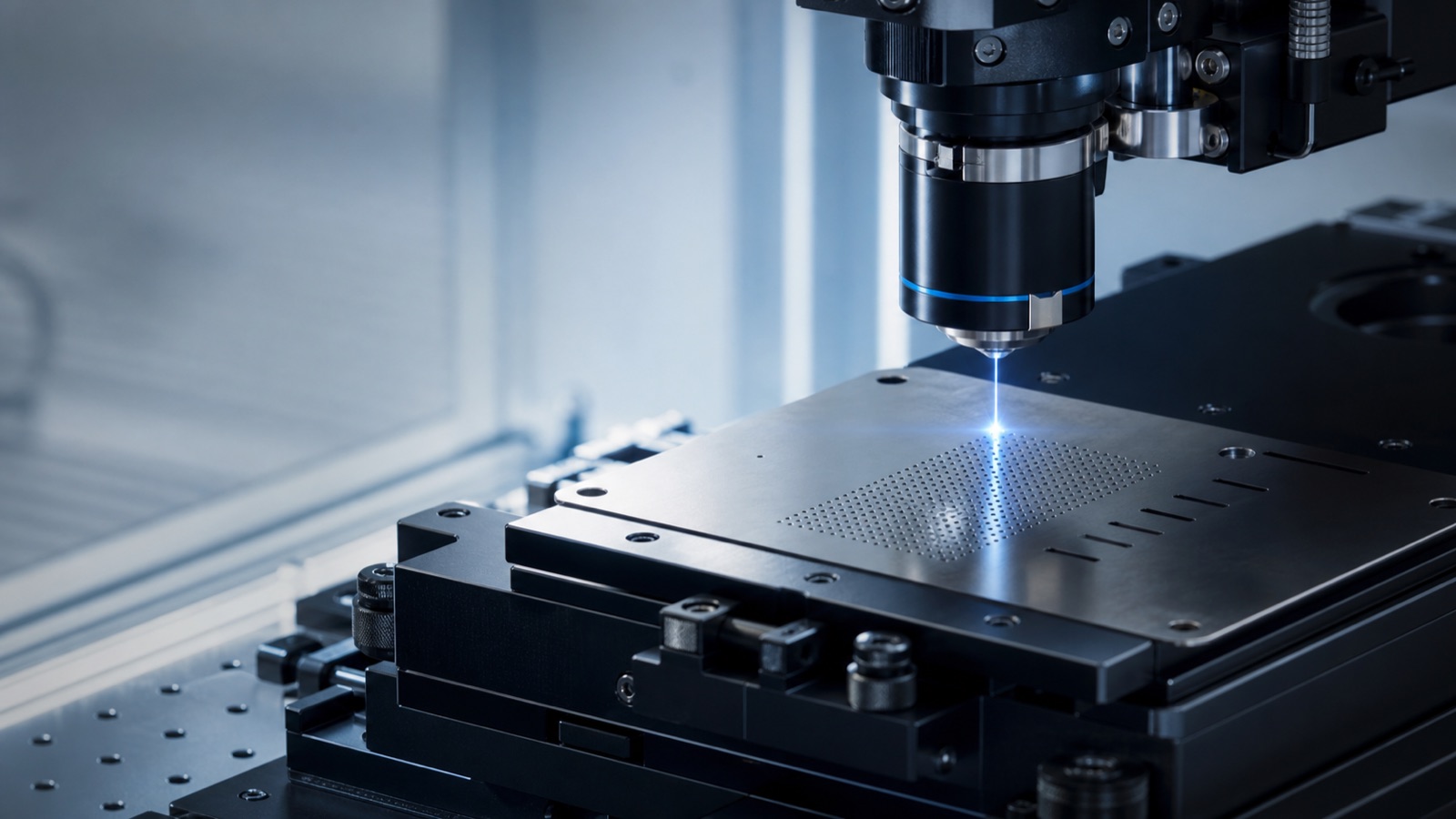
High-Intent Applications
Laser cut capillary tubes are commonly reviewed for dispensing components, guide tubes, probe shafts, sensor sleeves, chromatography flow paths, precision inserts, and small stainless tube assemblies.
Material Grades
304 and 316L stainless steel capillary tubing are the most common choices. 316L is often selected for stronger corrosion resistance or precision and analytical environments.
RFQ Details
Send OD, ID, wall thickness, cut length, length tolerance, material grade, quantity, end-face requirement, burr requirement, drawing file, and application notes.
What buyers should specify for laser cut capillary tubes.
A useful laser cutting RFQ should define the tube size, tolerance, material condition, required cut length, expected end quality, cleaning requirement, and packaging method. For micro OD tubes and thin wall tubing, end deformation, burr control, and bore pass-through should be reviewed before production.
Laser cutting vs conventional tube cutting.
Laser cutting is considered when a buyer needs higher repeatability than manual cutting, cleaner edges than rough sawing, or more efficient production for small stainless tube components. The final process should still be confirmed by tube size, wall thickness, tolerance, and required end condition.